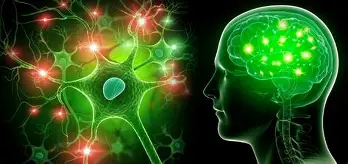
Your body runs on two main systems:
 Fight or Flight (Sympathetic)
This is your “on” switch.
- It raises heart rate.
Tightens muscles.
Sharpens focus.
Releases adrenaline and cortisol.
It’s designed for short bursts of action.
- Training lives here.
Deadlines live here.
Parenting lives here.
Emails at 9pm live here.
This system isn’t bad.
It’s necessary.
But it’s not where recovery happens.
 Rest and Repair (Parasympathetic)
This is your “rebuild” mode.
This is where:
- • Muscles repair
• Hormones regulate
• Inflammation lowers
• Digestion improves
• Deep sleep happens
• Energy stabilises
You cannot build strength in fight-or-flight.
You cannot deeply recover in fight-or-flight.
You cannot sleep properly in fight-or-flight.
And most people are stuck there 24/7.

 Infrared Sauna — Relax Under Load
Heat increases circulation and gently challenges the system in a safe environment.
This teaches your body:
“We can soften.”
- Benefits:
• Reduced muscle guarding
• Lower cortisol
• Improved sleep onset
• Better recovery between sessions
Pro Tip:
4-second inhale. 6-second exhale.
Long exhales tell your body it’s safe.
 Cold Plunge — Stress Control Training
Cold activates your stress response instantly.
But when you control your breath, you override it.
That builds resilience.
You’re not just sitting in cold water.
You’re training your nervous system to stay calm under pressure.
- Benefits:
• Improved vagal tone
• Reduced anxiety reactivity
• Faster recovery
• Increased mental resilience
Pro Tip:
Own your exhale.
That’s your brake pedal.
 Contrast Therapy — Adaptability
Hot expands blood vessels.
Cold constricts them.
Your body pumps blood back and forth — like a circulatory workout without movement.
But more importantly, your nervous system practices switching states smoothly.
That’s health.
Not stuck in “on.”
Not collapsing into exhaustion.
Able to shift.
 Compression Therapy — Lower the Background Noise
Rhythmic pressure stimulates calming receptors and assists fluid movement.
Most people don’t realise how much low-level tension they’re carrying until it drops.
That heavy, sleepy feeling during compression?
That’s regulation.
- Benefits:
• Reduced swelling
• Lighter legs
• Lower nervous system load
• Improved recovery between busy days
You don’t need perfection.
You need consistency.
 5-Minute Downshift Before Bed
Feet up on the couch.
Slow breathing.
Exhale longer than you inhale.
 Morning Sunlight
Within 30 minutes of waking.
It sets your cortisol rhythm properly.
 Warm Shower → 30 Seconds Cool
Mini contrast session.
Daily adaptability practice.
 Stop Fighting Tightness
Chronic tightness is often protection, not short muscle.
Calm first. Then move.
 Eat Within 60–90 Minutes of Waking
Fuel signals safety.